Tagformance UHF 13.3 Released

Nov 15, 2022

The latest version introduces new features that improve testing efficiency, expand configurability for the tests, and introduce a new JSON result file format.

Voyantic has released new software and firmware versions for Tagformance UHF and Tagformance HF. The new versions are available for download for existing customers with Tagformance version 13 and for all customers with an active Support & Maintenance contract.*

Change log:

  • New fail-fast mode saves time with TIPP and ARC measurements by skipping tests where a result is not possible
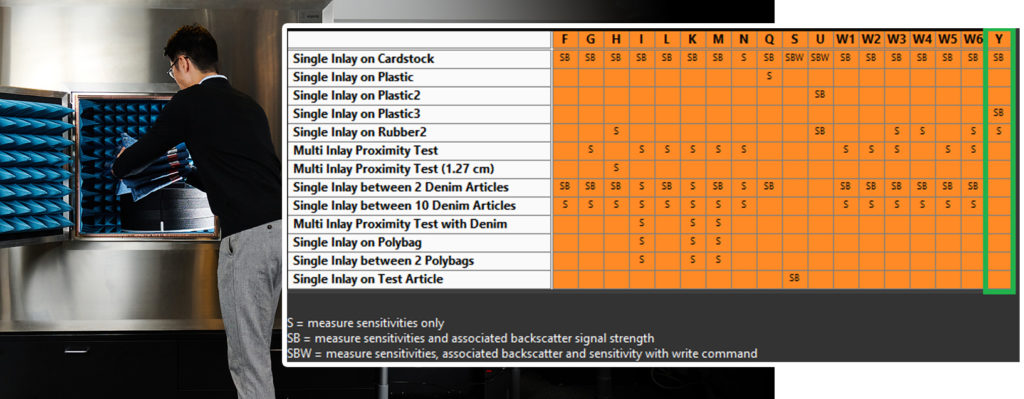
  • ARC test: Y specification added
  • Custom command waveforms: control over timing and modulation depth
  • JSON file format
  • NOTE: Tagformance Pro HF users need to update the software too

Fail-fast Mode Saves Time with TIPP and ARC Measurements

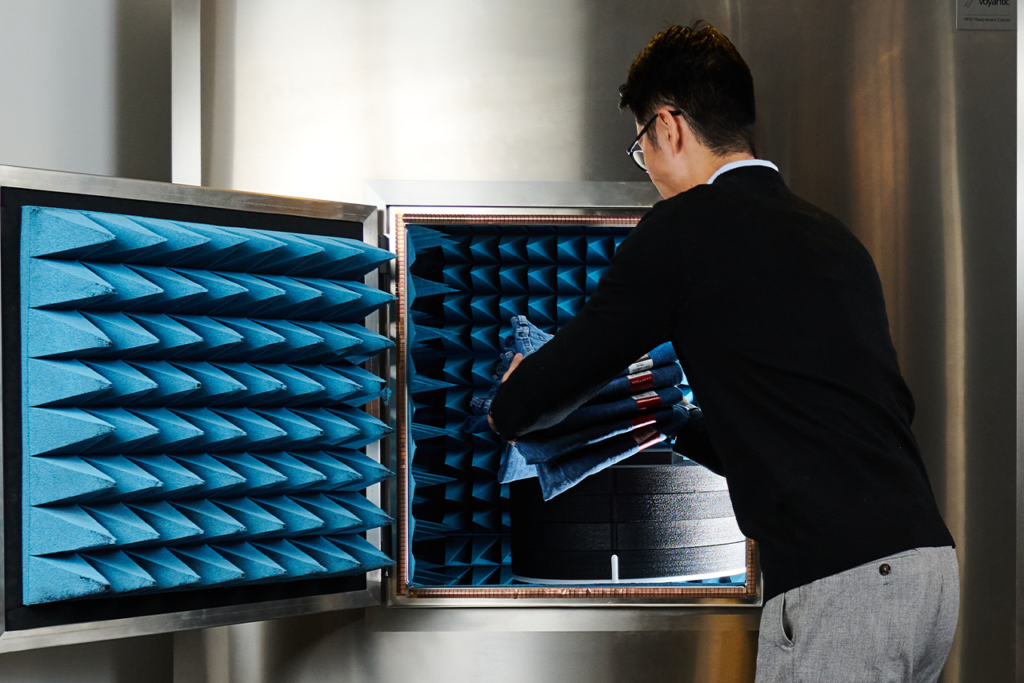
Tagformance 13.3 release introduces a new feature to the Tagged-Item Grading System and ARC Pre-compliance testing. The new “fail-fast” test mode option skips unnecessary tests which are bound to fail, saving valuable testing time. For example, if there is an angle where the tag does not reply at all, the rest of the test for the given cell is simply skipped after the first failure. This is particularly useful when testing for all TIPP grade or ARC categories.

The 13.3 version also adds support for the new ARC Y-specification.

Custom Command Waveforms: Control over timing and modulation depth

V13.3 adds new options for custom command waveform generation with control over timings and modulation depth, plus a configuration possibility for ISO18000-6C link parameters. These will add more flexibility for testing and enable new kinds of test scenarios, such as emulating filtered modulation signals.

JSON File Format

The new release also introduces a new result file format that will replace the TFF format in the long term. The new JSON result file is more machine-friendly and allows programmatic post-processing of results, as well as more flexible management of metadata. The old TFF format is still available as a legacy option (import, export), but JSON is the recommended default export format.

Voyantic Tagformance is used in UHF and HF RFID tag design, deployment, item tagging, protocol testing, technical sales, and academic research. It is the industry standard solution for RAIN RFID and NFC testing and measurement.

Schedule an online demo to learn more ›

*V13.3 requires V13 license. Contact sales@voyantic.com for assistance.

Note: Tagformance Pro HF users will need to update the software too.

Voyantic Releases Tagsurance® 3 – The Next-Generation Quality Testing Solution for RAIN RFID and NFC Manufacturing

Jun 28, 2022

Tagsurance 3 Brings Accurate High-Speed Inline Testing into UHF and HF Tag Production to Meet the Growing Needs of the RFID Industry

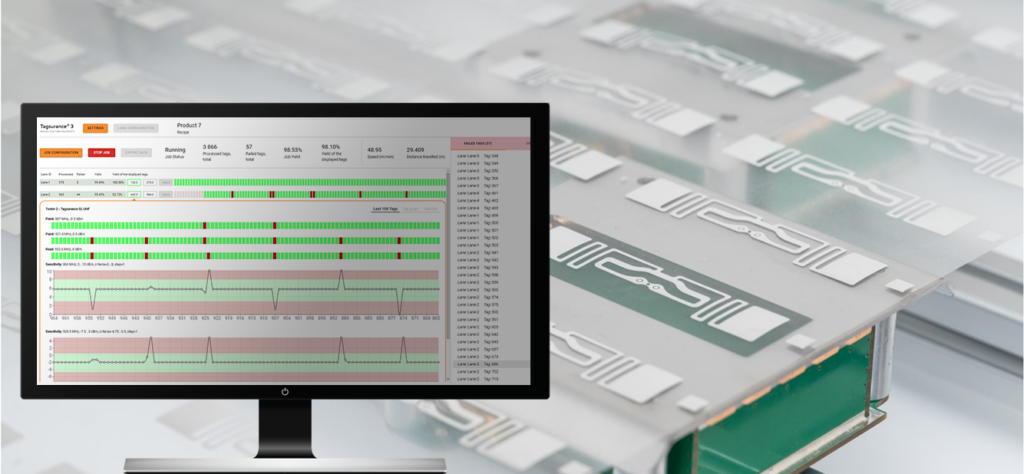
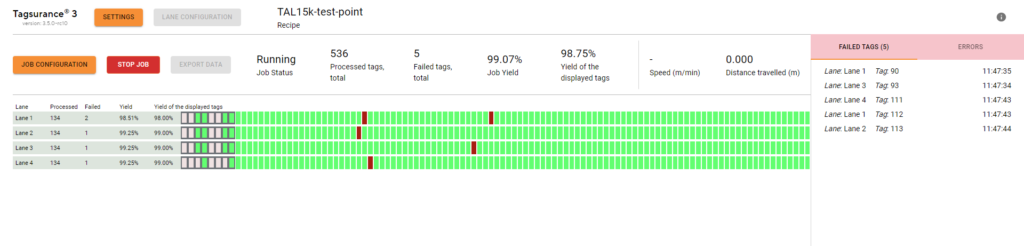
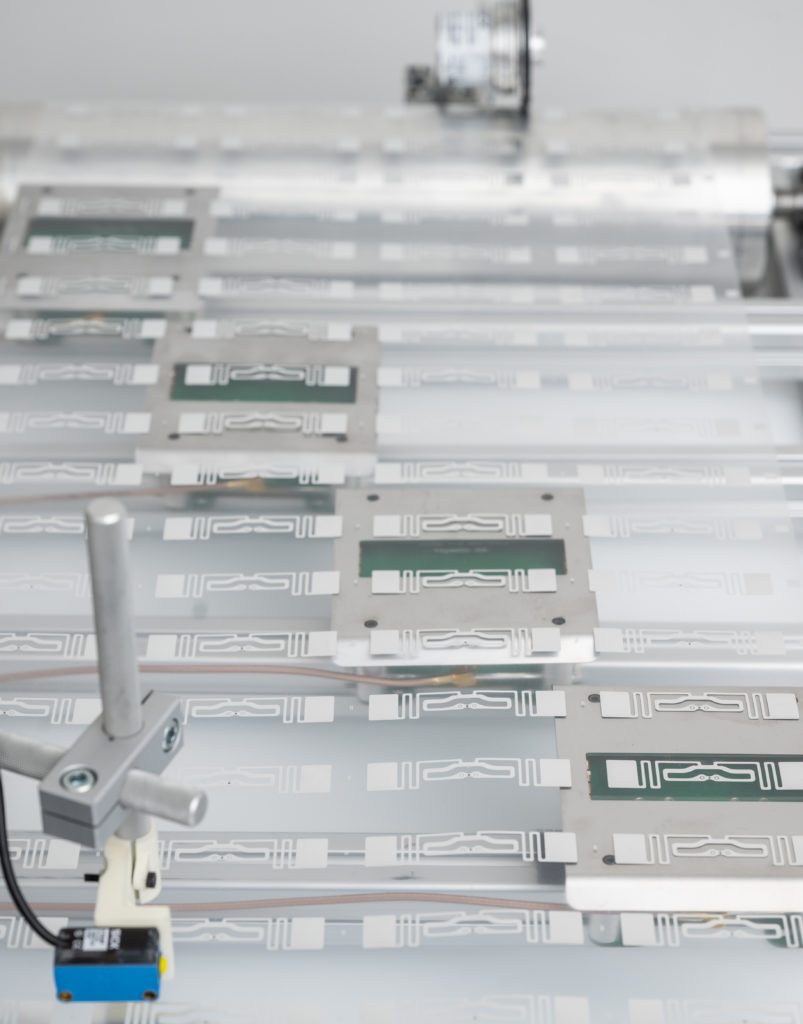
Today Voyantic is releasing the next-generation solution for RAIN RFID and NFC tag production testing and quality control. Voyantic Tagsurance 3 system brings full visibility into the quality of tags in the production line, ensuring tags meet the designed performance features, without slowing down the production process. The Tagsurance 3 System allows, for example, three-point testing at high speeds, with accurate measurement results.

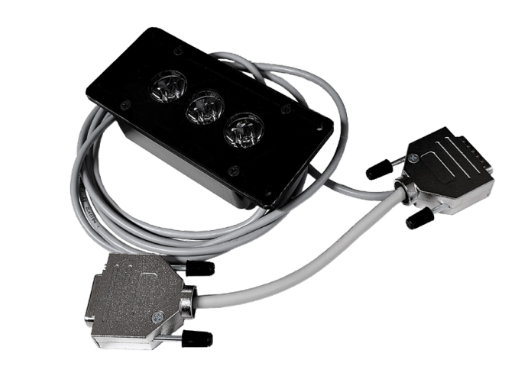
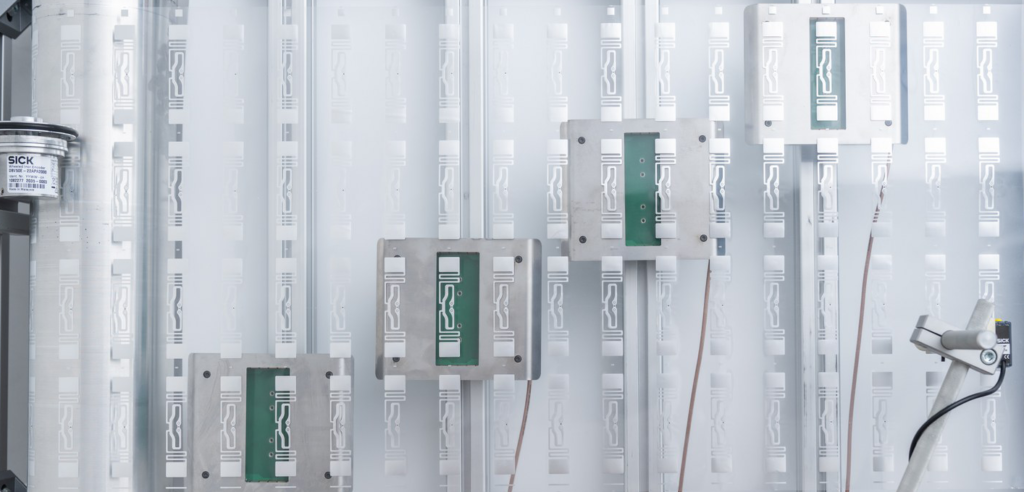
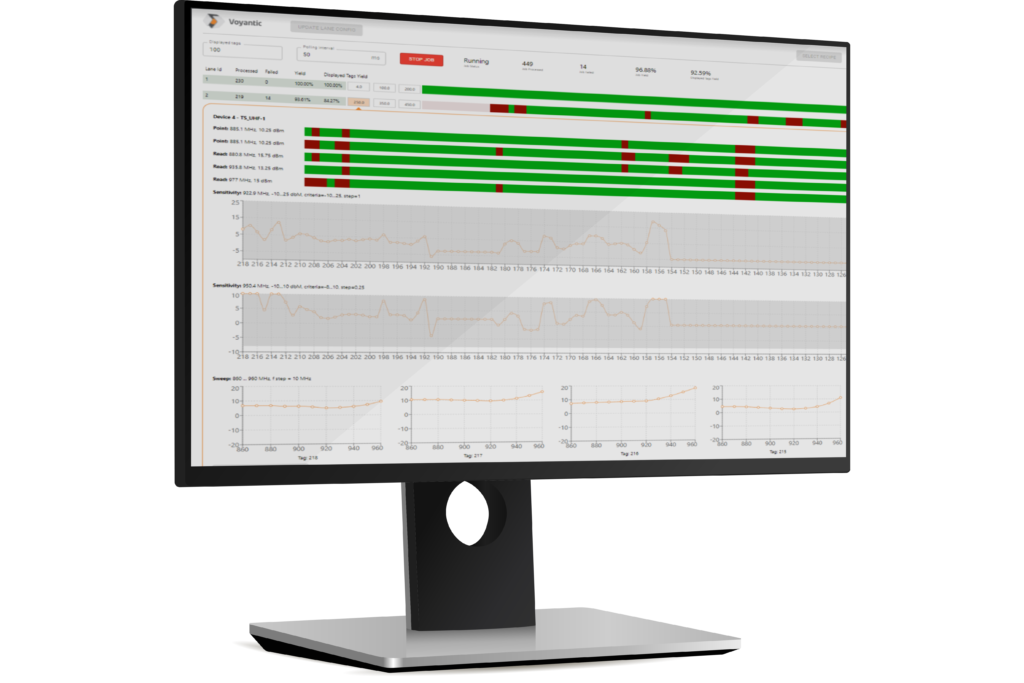
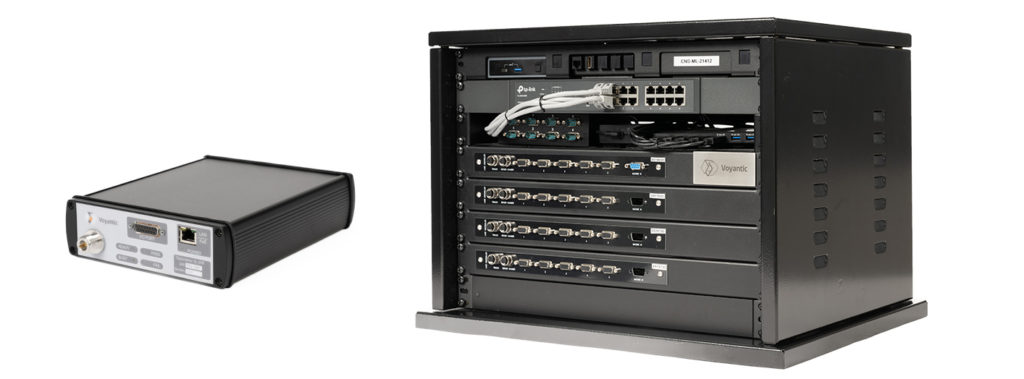
Tagsurance 3 is a complete solution including the Tagsurance Controller rack for triggering, sequencing, REST API, and operator UI, as well as measurement devices, antennas, cabling, trigger, and rotary encoder. The Tagsurance 3 Controller is ready to be used out-of-the-box. The operator UI is browser-based and easy to use.

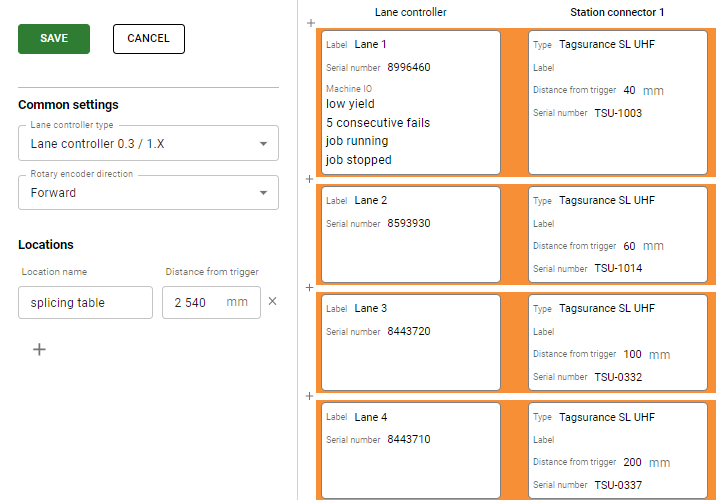
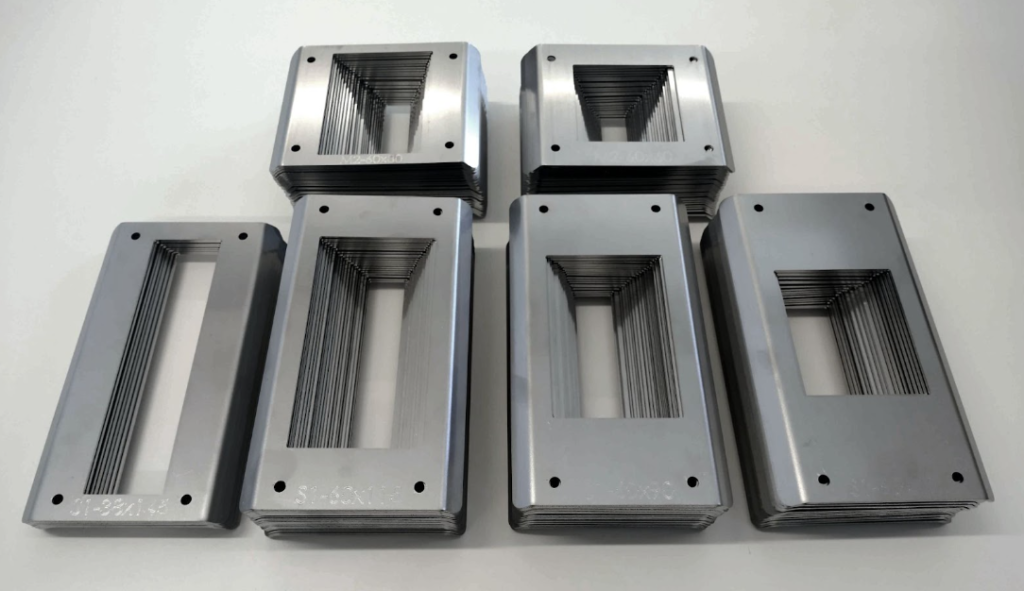
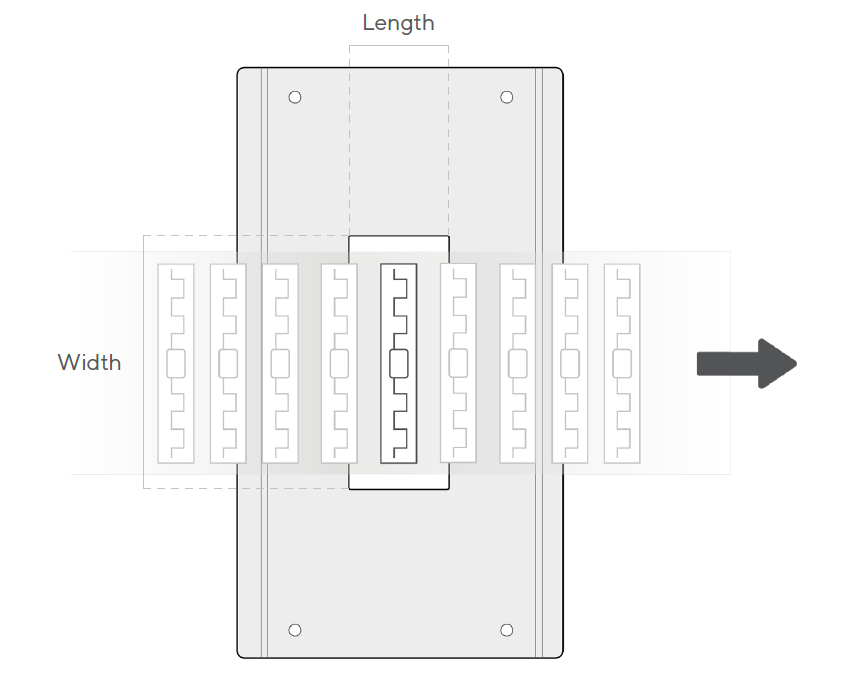
The system is designed to be easily installed into various machine types; small and large machines, high-speed machines, chip attachment machines, and converting machines. The system is modular and scales to various production volume needs from 1 to 8 lanes with 1-5 stations per lane, handling lane speeds up to 200 meters per minute.

The new Tagsurance system is the next-generation version of the time-tested, trusted, and accurate quality testing system Voyantic introduced to the industry. In the new system, the hardware, the software, and the technology stack have been upgraded and modernized.

The first version of Tagsurance brought UHF quality testing into tag manufacturing machines. Tagsurance 2 expanded the capabilities into HF quality testing.

“The new Tagsurance 3 is designed to meet the growing demands of the RFID industry. The new system can in many cases handle around twice the speeds for RAIN testing than before, without compromising measurement accuracy. Our goal is to deliver the best performance and make sure the system works reliably for our customers,” says Jussi Nykänen, Director of Production Solutions at Voyantic.

Learn more about the new Tagsurance 3 System ›

WEBINAR
Introducing Tagsurance 3 – The Next-Generation Quality Assurance Solution for High-Speed RFID Tag Production Lines

Date & Time:
Thursday, July 7, 2022
2 pm EEST / 1 pm CEST

Join the Tagsurance 3 product demonstration webinar to learn all about the new system.

Voyantic Tagsurance® 3 replaces Voyantic Ensurance

Jun 27, 2022

Voyantic Tagsurance® 3 is the new generation production testing system that will immediately replace Voyantic Ensurance.

Today Voyantic announces the end-of-life schedule for Voyantic Ensurance as follows:

  • The last order date for Voyantc Ensurance will be September 30th, 2022.
  • There are no planned software updates for Ensurance, last Ensurance version is 2.5. There will only be critical patches made if necessary.
  • For new systems ordered after this announcement, it is strongly suggested that an upgrade plan is made for upgrading the Ensurance systems to Tagsurance 3 when RAIN encoding will be available in Voyantic Tagsurance 3. Upgrade cost may apply, details are to be discussed with Voyantic sales.
  • Support and service and spare part availability for Ensurance will continue until the end of 2025.

What about RAIN and NFC encoding?

RAIN encoding

We are working towards bringing the RAIN encoding to Voyantic Tagsurance 3 during 2023.

NFC encoding

We are evaluating market potential regarding NFC encoding. NFC Encoding is not currently on the product roadmap.

Voyantic Announces the End-of-life Schedule for Voyantic Readformance RFID Tester

Jun 23, 2022

Today Voyantic announces the end-of-life schedule for Voyantic Readformance RFID reader tester as follows:

  • The last order date for Readformance will be Sept 1st, 2022
  • Support for Readformance will continue until the end of 2025
  • New software versions will not be published
  • Spare part availability is planned* until the end of 2023

(* Current part stock is limited and further availability cannot be guaranteed)

This announcement does not affect Tagformance, Tagsurance, Protocol Analyzer, or other products.

For any questions, please contact your Voyantic Sales representative or send us a message › 

The “Secret” to Ensuring Accuracy and Repeatability in RFID Testing – Properties of an RFID Test Chamber

May 17, 2022

When our customers think of where measurement accuracy and repeatability in a tag testing setup originate from, they usually mention things like output power resolution, power setting accuracy, measurement distance measured down to a millimeter, angular alignment, and high quality matched antennas, test grade RF cables, etc…  My claim is, and it’s not even a bold claim, but more like a friendly reminder, that the most significant factor in achieving result repeatability and comparability is actually the environment.

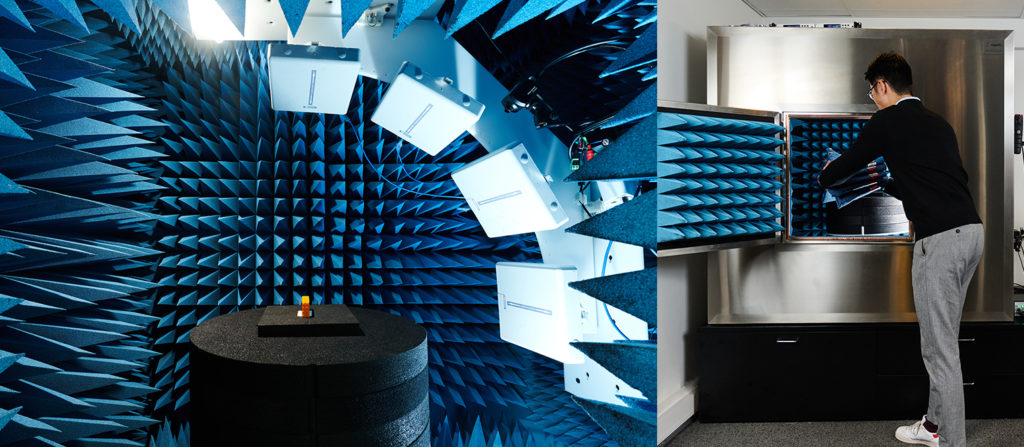
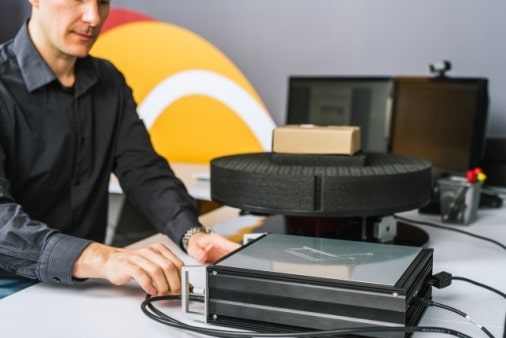
So, what is the best route to a great environment? Well, clearly, the best solution is to use a closed and controlled environment like an anechoic cabinet specifically designed for RFID measurements. At Voyantic, the most iterated and refined cabinet is the C50. It is also the smallest of the offered cabinets, supporting the TIPP/ARC compatible four antenna measurement layout.


ARC / TIPP antenna arrangement and the C50 cabinet

Test Distance

The C50 name comes from the 50cm nominal measurement distance and the circular arrangement of the antennas. The choice of the distance is a sweet spot to be as close as possible for best accuracy and dynamic range, but far enough to be in an accurate enough representation of a  far-field for most average-sized tags, tagged items, and item stacks. Any further attempt to still reduce the distance rapidly ends up in the antennas not physically fitting anymore or just coupling into each other as they would sit in each other’s reactive near field.

The Cabinet Size

When you add on top the 50cm test distance the size reserved for the test object, clearance for the Fresnel zone, the volume required by the UHF range pyramid absorbers optimized for each wall, and the outer shielding, you still actually end up with a reasonably sized package. The C50 chamber totals to dimensions of 1,55m x 1,50m x 1,05m. This typically doesn’t sound important in any way, until one is planning the location for the cabinet and the transport route up to the very spot. These dimensions have not evolved by accident but rather designed from experience so that the cabinet would fit through as many door openings, narrow corridors, and elevators as possible. Also, the total weight remains in the 200kg range, making it movable by a few sturdy RFID test engineers without renting any additional equipment.  

A Sturdy RFID Engineer

Low Reflections

One of the hardest parameters to get right is the level of unechoicity. It wouldn’t be too hard in a totally empty space, but as the item under test requires a computer-controlled rotatable platform withstanding over 10kg of weight and still being totally stealthy, things get a lot trickier. The rotation mechanism and the support platform should not provide alternative radio paths from the antenna to the tag which could create a multipath situation and decrease the accuracy.

Turntable Design

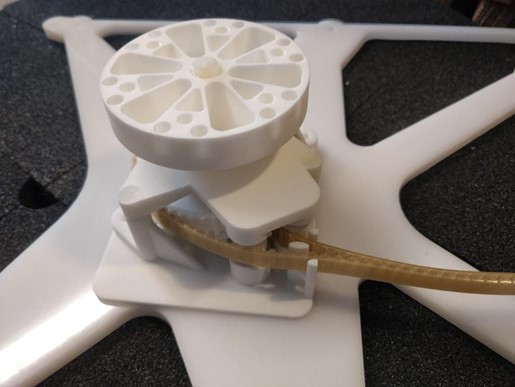
To achieve the required stealth properties, anything bulky, parallel, and flat should be avoided. Also, electrically conductive materials must be avoided at all costs, except for the shortest of screws.  This means that conventional mechanical design is thrown right out of the window and other approaches are needed. Our chambers have fully ceramic bearing structures, Kevlar belts, fiberglass axles, Nylon bolts, and numerous foam structures. Most other structural parts are carefully designed from polyamide with most of the material hollowed out and any parallel and straight lines broken to reduce the RF footprint as much as possible.

Components in the chamber are designed to minimize any RF reflections.

See the full range of available Voyantic anechoic chambers here ›

Is your RFID lab up-to-date? Download R&D Solutions Catalogue

Learn more about the Voyantic Tagformance® Pro system, accessories, and test chambers!

By combining RAIN RFID and NFC testing into one compact test device, our all-new Tagformance Pro is a true all-in-one tool for anyone either developing or using RFID technology.

Voyantic Design Solution Update – Tagformance UHF 13 and HF 3.2 Released

Feb 26, 2021

We have just released new software and firmware versions for Tagformance UHF and HF. The new versions are available for download for existing customers with an active Support and Maintenance contract.

Tagformance is the industry standard solution for RAIN RFID and NFC testing and measurement. The latest releases bring further improvements to measurement accuracy with the support for the new and RF-friendlier C50 and C100 cabinet rotation systems. The new version includes all the latest ARC categories, helping our customers reduce risk and save time with the complete ARC pre-compliance testing capability. The new versions also include several improvements to the system usability.

We continuously develop the Tagformance measurement and testing solution to ensure our customers are able to maintain high-quality standards with full visibility into tag performance and to gain a competitive edge with accurate data and tools that support the latest technology. Voyantic Tagformance is used in UHF and HF RFID tag design, deployment, item tagging, protocol testing, technical sales, and academic research.

This Doesn’t Look Right – Should I Contact Technical Support?

Dec 11, 2015

What do you do if, one morning, a new light with some strange symbol is suddenly lit on your car’s dashboard? You probably pull over and start browsing the car owner manual. You may be a little worried. Did I do something wrong? Can I fix this myself, or does the car need to be serviced? How long will I need to survive without my car?
In the same way, your Tagformance, the RFID test system that you typically use every day may have a problem you need to solve. You may already be an experienced user, or maybe you have just recently started to work with the system. When a new error message pops up or you get unexpected measurement results, it’s just like with your car. What’s wrong? Should I contact Voyantic Technical Support?

The answer to the last question is yes. You should.

*‘No such thing as a stupid question’ is a common phrase with a long history, and it makes perfect sense to me. *

If you have a problem with anything, and there is a possibility to get it solved quickly by asking someone who can help you, why shouldn’t you? The one who asks the “stupid question” may be doing a service to everyone, including the vendor, by pointing out a visible improvement to the product.

Here are some more or less typical situations where you might wonder if you should contact the vendor or just carry on. Uncertainty: You are performing measurements that look nice and smooth, but deep down, you are still wondering whether the results are correct? Is there some bias in the device? Am I measuring the right way? By contacting Voyantic Technical Support, we can verify if the device is OK by comparing the reference tag measurement results with the same measurement setup. We can also measure your sample tags and give a second opinion of the results and maybe give pointers on what else you can measure from your tags.

Differences between sites: You may have a colleague in the next room or on the other side of the globe doing the same measurements that you are. The equipment may be the same, the setup may be identical, but still, your results don’t match completely. For example, you get a theoretical read range value of 11 meters, and your colleague measures 10 meters. One meter sounds like a lot, but is it after all? By looking at the measurement data, we can verify whether the difference is something to worry about, or if it fits into production variation and typical measurement accuracy. Other factors, such as temperature, may cause a difference. The effect of temperature is described in more detail in an Application Note, which can be downloaded here. While visiting the site, you may find other Application Notes worth reading too.

Missing features: Different Tagformance measurement options are enabled with the license file. We can create license files where any measurement option can be enabled for a given time. So, if you think that one or more options could be useful for your work, we can enable the option for a trial period. To name a few;

  • Scripter is a great tool to automate your daily measurement routines and reduce the human error from the results.
  • The Tagformance has two Application Programming Interfaces, APIs, that enable you to write your software that uses the Tagformance device. The LabVIEW API is a perfect match for LabVIEW users, and the DLL API serves users of other programming languages.
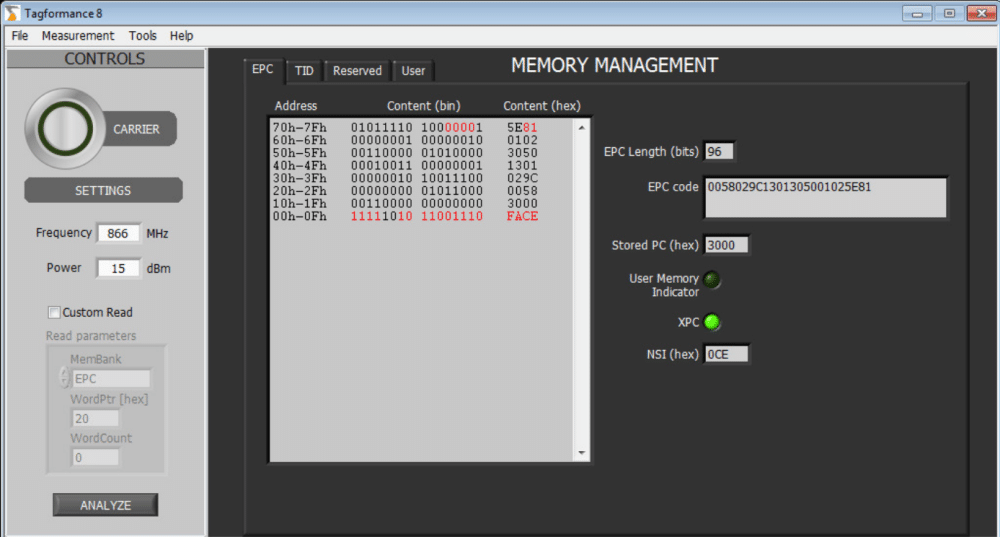
  • Memory management is a brand new tool for one of the hot topics, sensor tags, for example. With Memory management, it is possible to verify changes of any memory address content within seconds.

Memory Management

All this said, do not hesitate to contact us! In most cases, it is a win-win situation where you will get your problem solved or a question answered, and we get valuable feedback, which will help us in making our products even better. We are here to help you – send us a message!

How to Improve Efficiency of the R&D Team in UHF Tag Design

Jul 23, 2015

中文版 Chinese version

Being responsible for sales of RFID performance measurement solutions, I’ve had the privilege of meeting with several companies and their design professionals around the world using very different methods for measuring UHF tag performance. Which is the best method then? I’d say it depends on your requirements – for a single essential measurement, you may use various methods, and even a simple technique can be sufficient. However, if you are looking for a way to improve the throughput and efficiency of your R&D team in tag design, the differences in methods are enormous. So, where does the efficiency come from?

The simplest method in UHF tag measurement is using an RFID reader to verify if the tag can be read from a certain distance or not. This pass/fail type of method is easy to do and fast for sure. However, most of the critical characteristics cannot be measured nor verified at all. Another commonly used way based on a set of generic measurement instruments like a signal generator, a network analyzer, and a power meter, is more advanced but unfortunately not anymore fast nor easy to use.

As the two methods introduced above are not ideal in the first place, neither of them can be the real solution to provide increased efficiency either – don’t worry, there is another approach available.

Purpose-built RFID Measurement System

In the R&D environment, most RFID measurements set high requirements for reliability, accuracy, and repeatability of the results and the test method itself. This is the case also in developing new UHF tag designs, thriving to the best possible performance, and at the same time balancing various requirements for different parameters. In this kind of environment the key questions are;

  • How quickly can a set of various measurements be performed?
  • Can the measurements be repeated automatically during the design iterations?
  • What are the possibilities in storing, analyzing, and sharing the results?
  • What kind of competence is required to perform the measurements?

The ideal solution addressing these requirements is a purpose-built RFID measurement system, providing an easy-to-use user interface, high measurement accuracy, compliance with standard RFID protocols, and wideband sweep capability.

How to Enhance the Efficiency of the R&D Team?

Ease-of-Use

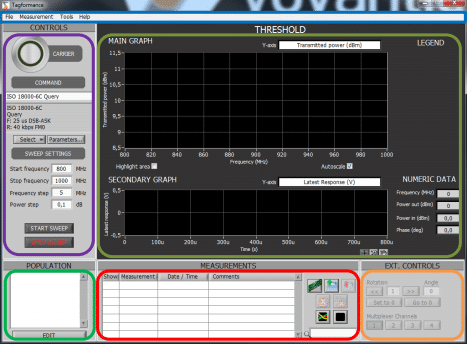
There is inherent ease-of-use in the concept of a purpose-built measurement system, as there is only one tester device, including all the necessary accessories and an easy-to-use graphical user interface. A predefined measurement set-up procedure based on a reference tag ensures correct system start and exact measurement results.

Ease of use improves the efficiency of each user regardless of their technical competence. However, the real benefit comes out of the fact that also less experienced persons can easily be trained to perform extensive measurements without having in-depth RF knowledge.

One System – Several Measurements

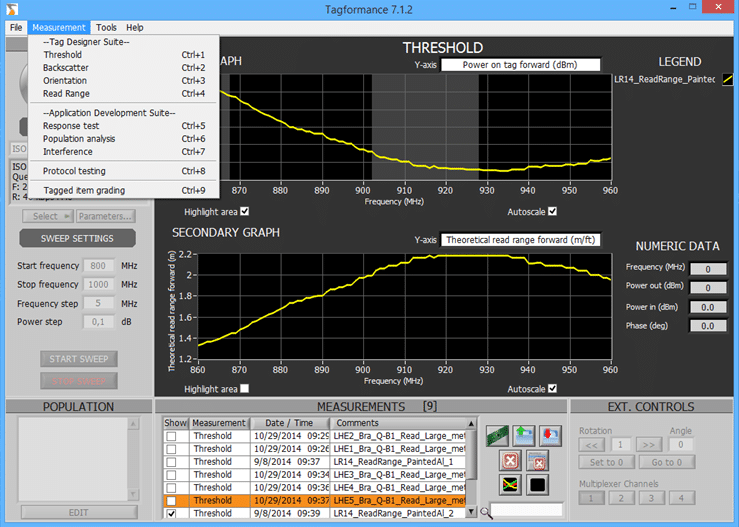
A dedicated RFID measurement system includes all the necessary measurement functions presented in a pull-down menu with suggested default settings for each measurement. Wideband sweep measurement performed over a wide frequency range of e.g., 800 – 1000 MHz enables the flexible visual presentation of the tag detuning phenomenon on different materials compared with on-air results.

Measurement functions menu

One Measurement – Several Results

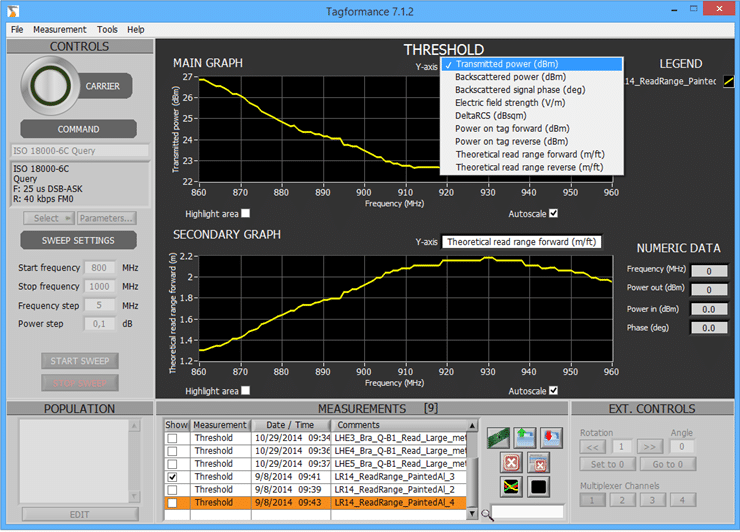
One single measurement, like the Threshold Sweep, provides several calculated results (e.g., Transmitted power, Backscattered power, Electrical Field Strength, and Theoretical Read Range) that can be viewed simply by selecting the desired result view from the Y-axis pull-down menu.

Results selection menu

Repeatability and Automation

Once the user has selected the function and started the measurement with relevant parameters, the test system provides the results that are stored in the results database with a timestamp and detailed information on all the parameters used in the measurement. Error-prone human interaction and handling of the results are avoided by automated calculation and management of the results.

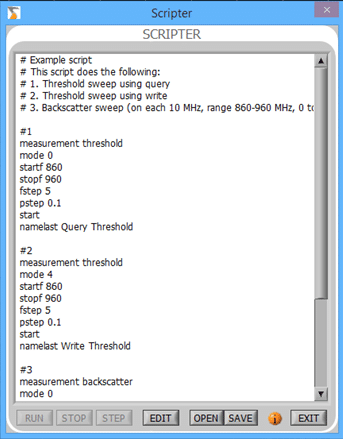
The quality of the measurements can be further ensured by defining and storing a sequence of measurement commands (Scripter) for repeated use. Predefined script together with automatic rotation system eliminates human errors when performing e.g., orientation sensitivity measurements in various positions between 0 and 360 degrees. The example script below defines a sequence of two Threshold measurements and one Backscatter measurement.

Example of a measurement script

Conclusions

A purpose-built RFID measurement system combines high measurement accuracy, versatile measurement capability, and ease-of-use – a unique combination that cannot be achieved with traditional methods.

Accordingly, the improvement of the R&D team efficiency is based on:

  • Quick set-up of the system
  • Better visibility to the performance of the tag under test
  • More measurements in the time available
  • More tests on alternative tag designs in a shorter time
  • Avoiding human errors
  • Testing made it possible for non-RF specialist
  • Shorter time to market for new tag designs.

If you want to learn in detail how the Voyantic Tagformance UHF Measurement System can improve the efficiency of your organization, please download the Tagformance Catalogue below! 

Download the Tagformance® Catalogue

Learn more about the Voyantic Tagformance® Test Device! By combining RAIN RFID and NFC testing into one compact test device, our all-new Tagformance is a true all-in-one tool for anyone either developing or using RFID technology.